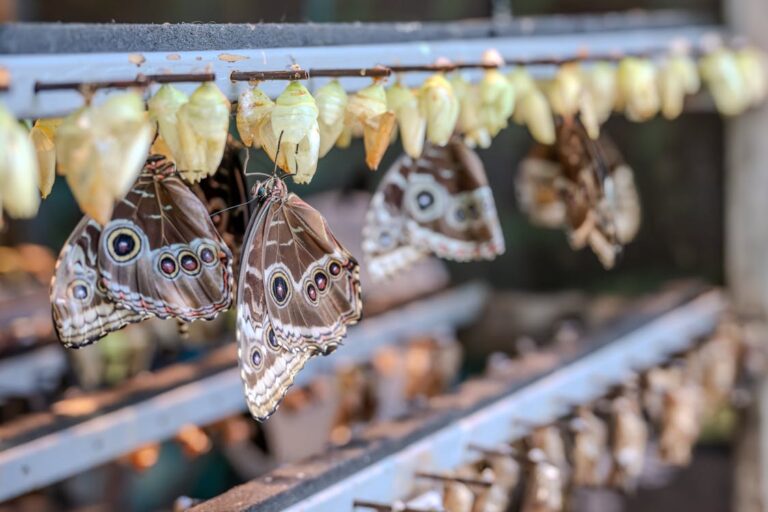

The Principle of Waiting
Waiting is the disciplined practice of remaining steadfast and expectant in a season of delay, understanding that God’s timing is not slow. It is precise, purposeful, and perfectly arranged to bring you into what he has prepared at exactly the right moment.
Living Without This Principle
Without waiting, you become a person driven by urgency rather than wisdom. You push open doors that were never yours to open, rush into relationships before they are ready, and walk away from assignments in the middle of their formation. Impatience looks like initiative, and you mistake activity for progress. The result is a trail of half-finished things, premature decisions, and opportunities that collapsed because you arrived before the foundation was laid. You grow frustrated with God, with others, and with yourself, not because he is withholding, but because you never learned to trust what you cannot yet see.
Negative Effects of Refusing This Principle
- Premature Decisions
- Missed Timing
- Broken Relationships Entered Too Soon
- Half-Finished Assignments
- Frustration with God’s Pace
- Unpreparedness for What Comes Next
- A Pattern of Restarts
What This Principle Unlocks
When you master waiting, you develop a stability that cannot be shaken by delay, silence, or setback. You learn to use seasons of waiting to prepare, refine, and deepen, so that when the appointed time arrives, you step into it with full readiness. Waiting produces a character that can carry the weight of what you have been asking for. It builds trust, strengthens faith, and trains you to move by divine signal rather than human pressure. Those who learn to wait well never miss their moment. They are simply being made ready for it.
Positive Effects of Accepting This Principle
- Spiritual and Emotional Stability
- Preparation for What Is Coming
- Deeper Faith
- Trust in God’s Timing
- Readiness When the Door Opens
- Character That Can Sustain What Is Given
- Movement by Divine Signal, Not Human Pressure
Long Term Outcomes
- A Life That Does Not Miss Its Moment
- Unshakeable Trust in God
- Depth of Character Built Through the Wait
- Assignments Entered at the Right Time
- A Faith That Can Testify About God’s Faithfulness
- Fewer Regrets from Rushed Decisions
- A Life That Bears Fruit in Season
Hebrew and Greek Root Words
qavah (קָוָה): the primary Hebrew word for “wait,” meaning to wait with expectation, to look eagerly for, to hope. It carries the image of a cord being twisted and strengthened. Waiting, in this sense, is not passive but a time of active, internal strengthening.
hupomone (ὑπομονή): the Greek word for patient endurance or steadfast waiting. It means to remain under pressure without giving way, not forcing through but holding your ground with confident expectation.
Bible Verses
Isaiah 40:31: “But those who wait (qavah) on the Lord shall renew their strength; they shall mount up with wings like eagles, they shall run and not be weary, they shall walk and not faint.”
Psalm 27:14: “Wait (qavah) on the Lord; be of good courage, and he shall strengthen your heart; wait, I say, on the Lord!”
Lamentations 3:25: “The Lord is good to those who wait (qavah) for him, to the soul who seeks him.”
Romans 8:25: “But if we hope for what we do not yet have, we wait (hupomone) for it patiently.”
James 5:7: “Be patient, then, brothers and sisters, until the Lord’s coming. See how the farmer waits for the land to yield its valuable crop, patiently waiting (hupomone) for the autumn and spring rains.”
Examples of People in the Bible
God first appeared to Abraham when he was seventy-five years old and gave him a promise: he would have a son, and through that son a great nation would come. Abraham was already old, and his wife Sarah was beyond the age of having children. He waited twenty-five years for that promise to be fulfilled. He tried once to help it along by having a son through his wife’s servant Hagar, but that son was not the child of promise. Finally, Isaac was born. The waiting was not wasted. It was the formation of a faith that Paul later described in Romans 4 as a faith that did not waver even against all hope. What Abraham learned to trust during those twenty-five years became the spiritual inheritance of everyone who has since believed God for something they cannot yet see (Romans 4:18-20).
The prophet Samuel came to the home of Jesse in Bethlehem and anointed David as the next king of Israel. David was anointed king that day. He was not crowned king for many years after. In the gap between anointing and coronation, he served King Saul, fought battles, became well-known, and was then hunted through the wilderness by a king whose envy made him dangerous. David had two opportunities to take the throne by force and twice had Saul’s life in his hands. He waited both times. The years of waiting formed the character of the man who would write half the book of Psalms.
Anna was a woman who had been widowed after only seven years of marriage. Rather than rebuilding a comfortable life elsewhere, she stayed in the temple and devoted herself to fasting and prayer, waiting before God. She did this for decades. She was eighty-four years old when Mary and Joseph brought the infant Jesus to the temple for the customary dedication (Luke 2:36-37). Anna recognized him immediately as the one she had been waiting for. She gave thanks to God and spoke about Jesus to everyone who was waiting for the redemption of Jerusalem. Her decades of faithful waiting positioned her to be among the first people in the world to publicly identify who Jesus was (Luke 2:36-38).
Tips
- Redefine waiting as preparation. Use every season of delay to build the skills, character, and capacity you will need when the door opens. The wait is not empty time; it is formation time.
- Journal what God is doing in you during the wait. Not just what he has not done yet. Shifting your focus from lack to formation changes everything about how you experience the season.
- Set limits around anxiety. Identify your most common impatient behaviors, such as impulsive decisions, constant planning, or seeking constant reassurance, and replace them with deliberate stillness.
- Study people in Scripture who waited well. Look at their process, not just their outcome. That is where the lessons live. Abraham, Joseph, David, and Anna all give you a detailed picture of what faithful waiting looks like.
- Ask God in prayer: what are you building in me right now? Then listen for the answer instead of presenting your own timeline. The question itself shifts your posture from demand to receptivity.
- Stay productive without being pushy. Faithful stewardship of today is the best posture during a season of waiting for what is coming next. Do what is in your hand while you wait for what is in God’s hand.
- Recognize small confirmations along the way. God often sends signals of assurance in the middle of the wait. Learn to notice them and rest in them rather than dismissing them as coincidence.
Connected Theme: Perseverance
Waiting and perseverance are inseparable. Perseverance teaches you to endure under pressure, and waiting is one of the most demanding forms of that endurance. As you grow in your ability to wait, you will find that perseverance becomes less about pushing through and more about trusting the One who holds both the promise and the timing. To learn more, read The Principle of Perseverance.