
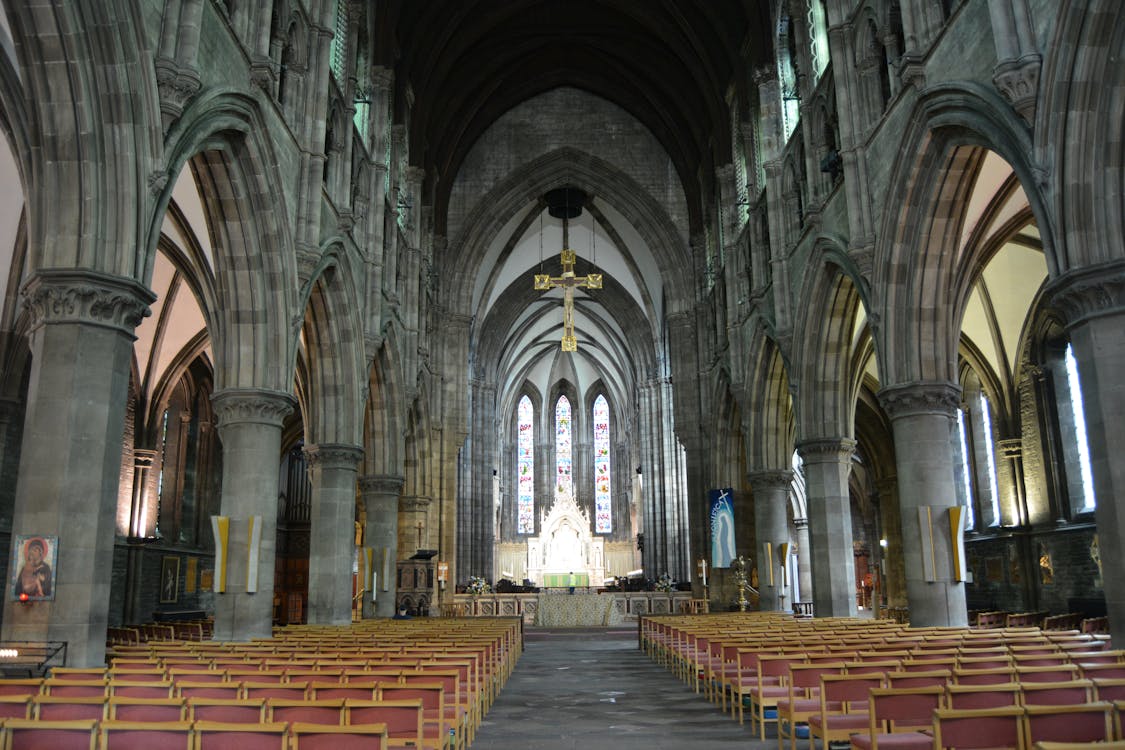
The Principle of Silence
Silence is the intentional practice of creating quiet in your environment, your words, and your mind, so that you can hear God more clearly, think more deeply, and move with the kind of direction that only comes when you stop filling every moment with noise.
Living Without This Principle
Without silence, your life becomes a constant stream of input, reaction, and distraction. You make decisions based on the loudest voice in the room rather than the wisest one. You confuse noise with productivity and busyness with purpose. Over time, you lose the ability to hear your own convictions, discern the voice of God, or sit with a thought long enough to develop it into something meaningful. The absence of silence does not just wear you out. It slowly disconnects you from your inner life and from the quiet leadings of the Spirit.
Negative Effects of Refusing This Principle
- Spiritual Deafness to God’s Voice
- Reactive Decision-Making
- Loss of Inner Clarity
- Burnout and Depletion
- Shallow Thinking
- Anxiety Without Relief
- Disconnection from Your Own Convictions
What This Principle Unlocks
When you master silence, you gain access to a level of clarity that is simply not available in a noisy life. Silence is not emptiness. It is a container for revelation. In silence, you hear what you truly believe, discern what God is actually saying, and discover ideas and insights that were drowned out by the surrounding volume. Leaders who have developed a practice of silence consistently report sharper decisions, deeper creativity, and a peace that does not depend on their circumstances. Silence is one of the most underused sources of strength available to anyone who is serious about growth.
Positive Effects of Accepting This Principle
- Clarity of Mind
- Sharper Discernment
- Deeper Creativity
- A Steady, Grounded Spirit
- Better Decisions
- Ability to Hear God
- Peace That Holds Under Pressure
Long Term Outcomes
- A Life Led by Conviction Rather Than Noise
- Deep Spiritual Intimacy with God
- Wisdom That Comes from Reflection
- Resilience Under Pressure
- A Well-Cultivated Inner Life
- Sustainable Leadership and Ministry
- Freedom from Anxiety Over Time
Hebrew and Greek Root Words
damam (דָּמַם): the Hebrew word for silence, meaning to be still, to be quiet, to cease from speaking or striving. It carries a sense of resting in calm trust, the silence of one who has found peace in God’s presence.
hesychia (ἡσυχία): the Greek word for quietness or silence, meaning a settled, peaceful state of being. Not forced or anxious stillness, but the deep quiet of a soul at rest.
Bible Verses
Psalm 46:10: “Be still (damam), and know that I am God; I will be exalted among the nations, I will be exalted in the earth.”
Lamentations 3:26: “It is good to wait quietly (damam) for the salvation of the Lord.”
1 Thessalonians 4:11: “Make it your ambition to lead a quiet (hesychia) life, to mind your own business and to work with your hands, just as we told you.”
1 Timothy 2:2: “That we may live peaceful and quiet (hesychia) lives in all godliness and holiness.”
Examples of People in the Bible
The prophet Elijah had just experienced the most dramatic public miracle of his career: fire from heaven on Mount Carmel, followed by the end of a three-year drought. Then a death threat from Queen Jezebel sent him running, and he eventually hid in a cave on the mountain of Horeb. God came to him there. The encounter was remarkable not for what it contained but for what it did not contain. God was not in the powerful wind that tore the mountains apart. God was not in the earthquake. God was not in the fire. After all of these dramatic events had passed, there was a still small voice, a sound of gentle stillness. That was where God was. The revelation that came in the silence was what redirected and restored Elijah. Silence was the frequency on which God’s clearest communication arrived (1 Kings 19:11-13).
Jesus lived at the center of an extraordinarily demanding ministry. Crowds pressed around him constantly, the sick reached for him from every side, and his disciples needed constant instruction. Despite this, the Gospels consistently record that he withdrew. Luke 5:16 states simply: “Jesus often withdrew to lonely places and prayed.” He withdrew before choosing his twelve disciples. He withdrew after feeding five thousand people. He withdrew in response to the news of John the Baptist’s death. Silence and solitude were not what Jesus resorted to when he was overwhelmed. They were the regular rhythm that made everything he did in public possible.
When Jesus came to visit his friends Mary and Martha, the two sisters responded very differently. Martha immediately went into activity mode, managing everything required to host an important guest. Mary sat at his feet and listened. When Martha complained that Mary was leaving her to do all the work alone, Jesus responded: “Mary has chosen what is better, and it will not be taken away from her” (Luke 10:42). He was not saying Martha’s work was wrong. He was saying that the practice of being still, fully present, and listening had a value that could not be replaced by any amount of doing.
Tips
- Begin each morning with intentional silence. Before looking at your phone, news, or any outside input, give yourself at least five to ten minutes of quiet. Let your first input of the day be God, not the world.
- Try a regular break from media and screens. One day per week where you significantly reduce noise and social media creates more room for inner quiet and clear thinking. What fills the silence is usually worth paying attention to.
- Pause before responding in conversation. Silence before speaking is not weakness. It is wisdom that shows up in better words, more measured responses, and greater influence.
- Create a dedicated quiet space in your routine. A chair, a room, a walk. Train your mind to associate that space or time with stillness and encounter with God. Consistency in location builds the habit faster.
- Use silence as a tool for self-awareness. What rises to the surface when the noise is gone often reveals what most needs your attention or surrender. Silence makes you honest with yourself.
- Practice simple, slow prayer in silence. Deliberate breathing paired with a phrase like “Speak, Lord” is a way of entering silence with intentional receptivity rather than empty drift.
- Protect your silence from guilt. In a culture that rewards busyness, choosing silence is countercultural, and it is one of the most spiritually productive choices you can make. It is not wasted time. It is the most important preparation for everything else.
Connected Theme: Perception
Silence and perception are directly connected. You cannot see clearly when your inner world is full of noise. The principle of perception teaches you to interpret your life, your circumstances, and God’s movement accurately, and silence is the environment in which that accurate perception becomes possible. To learn more, read The Principle of Perception.