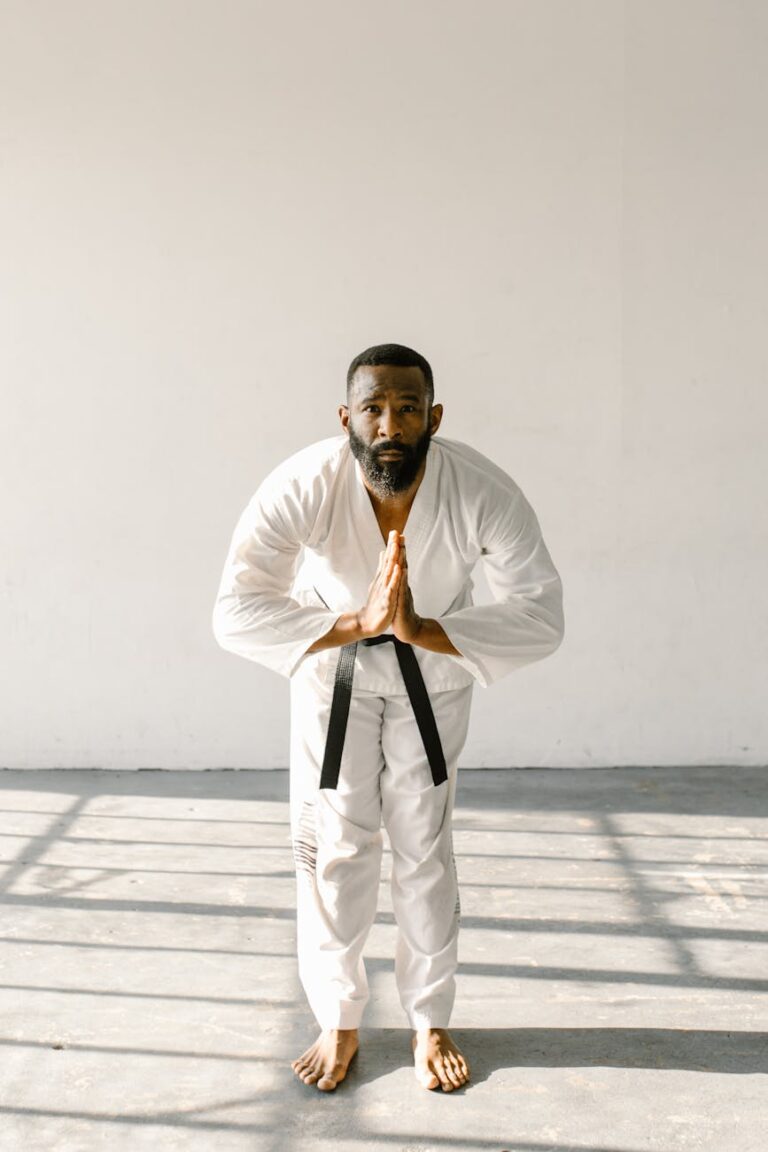

The Principle of Focus
Focus is the disciplined ability to direct your full attention, energy, and effort toward what matters most, eliminating distraction not because everything else is unimportant, but because the most important thing deserves your best.
Living Without This Principle
When you live without focus, your life becomes a collection of started things and unfinished potential. You are pulled in multiple directions simultaneously, by notifications, opportunities, opinions, and obligations, and the result is that nothing gets your full attention. Shallow effort produces shallow results, and over time you build a life that is wide but never deep, active but never truly impactful. Without focus, even your most important priorities get whatever is left over after everything else has taken its share. Distraction is not just a time management problem; it is a calling problem. The things you were meant to build require more than whatever is left at the end of a scattered day.
Negative Effects of Refusing This Principle
- Nothing gets your full attention because everything competes for it equally
- Shallow effort produces shallow results across every area
- Life grows wide but never deep, active but never truly impactful
- The most important priorities get whatever is left rather than whatever is best
- Mastery becomes impossible because sustained concentration is never given
- Distraction compounds into a pattern that makes sustained attention increasingly difficult
- What you were meant to build stays unbuilt because it never got what it needed from you
What This Principle Unlocks
Focus unlocks depth, mastery, and the compounding returns that only come from sustained, concentrated effort over time. When you give your best energy to your most important work, you produce results that scattered effort could never achieve. Focus also creates clarity: when you are not trying to do everything, you can do a few things with extraordinary care. It protects your calling from being consumed by the merely good at the expense of the truly great. And it is a spiritual practice: focus is how you love God with all your heart, all your soul, and all your mind, completely, not partially.
Positive Effects of Accepting This Principle
- Deep, meaningful results become possible where scattered effort only produced surface ones
- Mastery develops in the areas that received sustained, concentrated attention
- Clarity grows because focus requires deciding what actually matters most
- Your calling gets the quality of attention it requires to actually develop
- Fewer things get done but each one gets done with full weight and care
- Others experience the rare gift of having your complete and undivided attention
- God receives the wholehearted devotion he is worthy of rather than divided attention
Long Term Outcomes
- Mastery in areas that only years of sustained, focused practice can produce
- A body of work that reflects depth rather than the breadth of scattered activity
- A reputation for bringing your full self to whatever you are doing
- Relationships that are rich because focus was given to the people who mattered
- A calling built to its full expression because it consistently received your best
- The deep satisfaction of having done fewer things at the level they deserved
- A legacy built with intention rather than accumulated through distraction
Hebrew and Greek Root Words
kavvanah (כַּוָּנָה): intention, directed attention, or purposeful aim; used in Jewish tradition to describe the focused, wholehearted intention that should accompany prayer and acts of worship. It implies that what you give your attention to is an act of devotion.
skopeo (σκοπέω): to look at, fix your eyes on, or aim at a target; used in Philippians 4:17, where the image is of a runner whose eyes are locked on the finish line, undistracted by what is happening around them.
Bible Verses
Hebrews 12:1-2: “Let us throw off everything that hinders and the sin that so easily entangles. And let us run with perseverance the race marked out for us, fixing our eyes on Jesus, the pioneer and perfecter of faith.”
Proverbs 4:25-27: “Let your eyes look straight ahead; fix your gaze directly before you. Give careful thought to the paths for your feet and be steadfast in all your ways. Do not turn to the right or the left.”
Luke 9:62: “Jesus replied, ‘No one who puts a hand to the plow and looks back is fit for service in the kingdom of God.'”
Examples of People in the Bible
Nehemiah received news that Jerusalem’s walls were broken down and her gates burned. He wept, fasted, and prayed for days, then asked the king for permission to go and rebuild. When he arrived, he surveyed the damage by night alone before telling anyone what God had put on his heart. When opposition came: mocking from Sanballat, threats of attack, five invitations to come down from the wall and meet with enemies, Nehemiah sent back the same reply each time: “I am doing a great work and I cannot come down. Why should the work stop while I leave it to come down to you?” The wall was completed in fifty-two days, not because the obstacles were small, but because the focus was unbroken (Nehemiah 1:1-4, 6:1-4, 15).
On the day that Elijah was to be taken up to heaven in a whirlwind, Elisha knew what was coming and intended to stay until the end. At Bethel and at Jericho, groups of prophets came out to tell him his master was about to be taken. Each time he said, “Yes, I know. But do not speak of it.” He was not going to let conversation about the transition distract him from being present for the moment of it. When they reached the Jordan and Elijah was swept away, Elisha saw it. The double portion he asked for was granted. His focus at every point of distraction made him the only witness to that moment (2 Kings 2:1-14).
The Shunammite woman had received a miracle: a son born after years of barrenness. Then the child died. She told her husband she needed to go to the prophet, but did not explain what had happened. She set out for Mount Carmel. When Elisha’s servant Gehazi ran ahead to ask if everything was all right, she said “Everything is all right” and kept going. When she reached Elisha and he saw her distress, she refused every attempt to redirect her. She had come for one thing and she was not leaving without it. Elisha himself came with her, and the child was raised. Her unbroken focus on what mattered most produced exactly what she came for (2 Kings 4:18-37).
Tips
- Identify your one most important task each day. Before the day begins, decide what one thing, if completed, would make the day a success. Protect that task with your best energy and do it before anything else claims your attention.
- Create a distraction-free environment. Focus is not just a mental decision; it is an environmental one. Remove what competes for your attention during your most important work time. Your environment should make focus easy, not hard.
- Learn to say no without guilt. Every yes to a distraction is a no to your priority. The ability to decline what is good so you can pursue what is great is a mark of maturity and clarity about what you are actually building.
- Work in blocks, not fragments. Deep focus requires sustained time. Protect stretches of uninterrupted work rather than checking in on your priorities between other things. Fragmented attention produces fragmented results.
- Return without self-judgment. Distraction happens. The practice of focus is not in never losing it; it is in noticing when you have drifted and returning, quickly and without drama, to what matters. The return is the practice.
- Clarify what your focus season requires. Focus changes with season. What deserves your best attention right now may be different from what deserved it last year. Regularly reassess what the most important work of this specific season is, and orient your focus accordingly.
- Protect the beginning of your day for what matters most. The first hours of the day are typically your sharpest. Guard them for your most important focused work before the demands of others and the noise of the day consume them. What gets your morning gets your best.
Connected Theme: Productivity
Focus is the catalyst that makes productivity meaningful. You can be busy without being focused, but you cannot be truly productive without it. Focus is what separates output that accumulates into something significant from activity that simply fills the day. When focus and productivity work together, every hour carries more weight, and what you build reflects the full potential of what you were given. To learn more, read The Principle of Productivity.